


LSU AgCenter is Helping Shape Rural Louisiana’s Future One Parish at a Time
June 10, 2026
The Louisiana Cooperative Extension Service is a vital part of the LSU AgCenter, addressing challenges Louisiana families, farmers, communities, and businesses face, connecting university research with the community it serves.
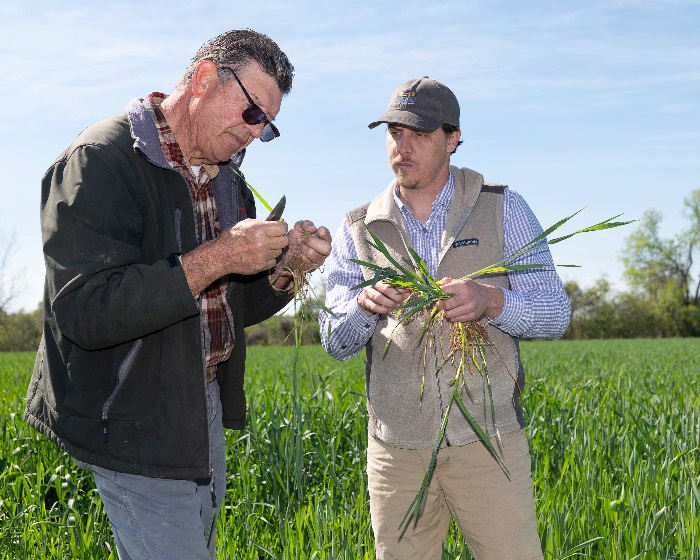
The LSU AgCenter Louisiana Cooperative Extension Service works to ensure the security of the state and national food supply.
Tara Smith is leading efforts to improve Louisianians' quality of life, working alongside extension agents, specialists, and researchers to ensure that knowledge and resources reach every Louisiana parish. Smith, the Executive Associate Vice Chancellor and Director of the Louisiana Cooperative Extension Service, is committed to educating and serving the state.
As she continues to inform the greater Louisiana community, Smith shares insight into the organization's role in improving lives across the state and how LSU is helping rural areas thrive.
Why should the everyday or average person in Louisiana, whether they live in a rural community or not, care about the work that is happening?
All people must eat, wear clothes, live in a house, and work to support their family and community. The LSU AgCenter Louisiana Cooperative Extension Service is working daily to improve all aspects of everyday life. We are working to help ensure the security of the state and national food supply. We are working to improve access to healthy food and address health disparities. We are working to educate the leaders of tomorrow through 4-H and FFA programs. We are making a difference in the lives of those we serve every day! While our work begins in Louisiana, the lessons learned and innovations developed often reach far beyond state lines, benefiting people around the world.

Tara Smith
What does your day-to-day look like?
No two days are alike. Our extension service reaches every corner of the state. Our agents and specialists are in 64 parish offices, five regional centers, 14 research stations, and 10 on-campus departments. My primary role and goal are to support the work of our faculty and ensure the needs of our constituents are met. Many days are spent working through administrative matters in my office. On other days, I am traveling around the state to attend field days, workshops, and other events that are planned and executed by our faculty. It is a priority to ensure that our agents have the resources and support necessary to realize impact across the state.
What does extension work look like across the state? What does it provide for individuals, families, farmers, and communities?
Extension is foundational to the Land Grant Mission. The Smith Lever Act of 1914 established the national cooperative extension framework. The Louisiana Cooperative Extension Service is funded at the federal, state, and local level, and is a true partnership at all levels. The goal of our programming is to empower those we serve, where they live and work, ultimately aiming to educate and improve lives through one program and one conversation at a time. We are extending research-based education to the citizens of the state and beyond. The core values of the Louisiana Cooperative Extension Service (LCES) are to Listen, Care, Educate and Serve.
What are some of the areas where the Extension Service makes an impact? And how?

Nutrition and Community Health Faculty and Agents work with communities to improve infrastructure and access to more healthy food options and infrastructure to enhance activity levels.
Engagement and Communication
Our primary areas of programming include Agriculture and Natural Resources, Youth Development (4-H and FFA) and Nutrition and Community Health. There are specific focus areas within each discipline. Our programming is driven by the advisory process, a process which is foundational to extension programming. Through this process, we engage and communicate with our clientele to hear and understand what their issues and needs are. Our agents and specialists then incorporate these concerns into their programs and efforts. We also communicate issues to our research faculty so that they may address concerns presented. There is a unique synergy that exists between research and extension. It is a very successful model that has worked to ensure that our clientele are heard, issues are addressed, and impact is realized every day.
Supporting Communities
We support communities with all programming, based on their individual needs. Community and Economic Development is realized in all programming efforts. Most recently, our Nutrition and Community Health Faculty and Agents have realized great impacts working with communities to improve infrastructure and access to more healthy food options and infrastructure to enhance activity levels. We also have a newly hired Community and Economic Development Specialist who will be working with rural communities and our agents on many initiatives across the state.
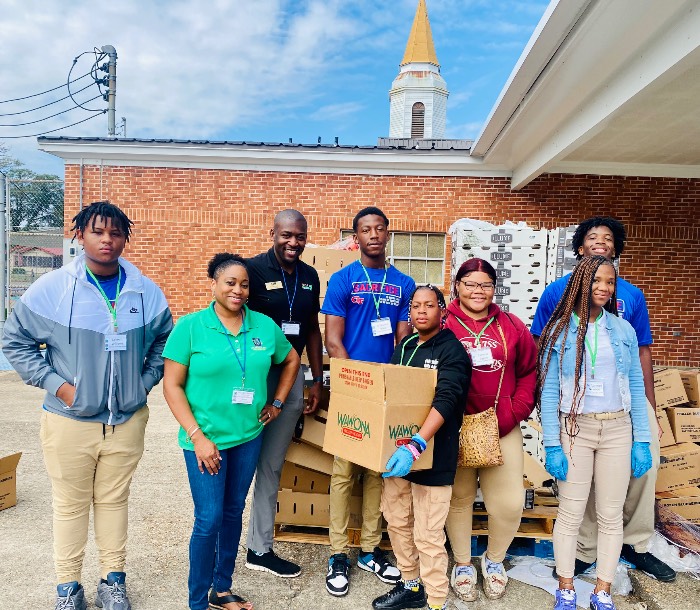
The LSU AgCenter Louisiana Cooperative Extension Service work with 4-H and FFA to grow the leaders of tomorrow. Collectively these programs are reaching over 175,000 youth.
Goal-Oriented Programs
The overall goal of our agriculture and natural resource programs is to improve the sustainability and profitability of agricultural production systems across the state. There are many biotic (insects, weeds, diseases) and abiotic (weather, labor, languishing prices) production constraints and our faculty and agents work tirelessly to address these issues to ensure that the $13 billion-dollar agricultural enterprise continues to thrive. Nutrition and Community Health Programs are addressing rising health disparities across the state and are working to educate our communities on healthy eating options, as well as improving access to healthy food options and increased physical activity platforms, all of which can improve quality of life. 4-H and FFA are growing the leaders of tomorrow. Collectively these programs are reaching over 175,000 youth. Civic Engagement, leadership, servicelearning and community service are foundational aspects of youth development programs. Other areas include STEM, Livestock, Shooting Sports and Healthy Living. FFA is supporting industries across the state as our FFA students can earn industry-based credentials that provide needed skills to enter the workforce.
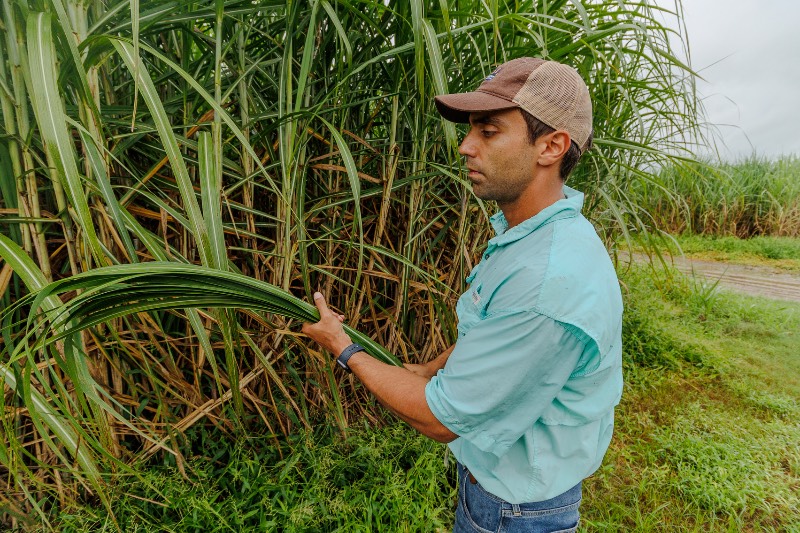
LSU AgCenter pathologist Andre Gama examines sugarcane for rust at the Sugar Research Station in St. Gabriel.
How do these efforts directly impact everyday Louisianans and those in rural communities?
The Louisiana Cooperative Extension Service is working to ensure that our communities are heard, local issues are addressed, and that the overall quality of life is improved through our programs. The LCES provides access to the Land Grant University in every parish. We are often called the storefront to the university in the communities where we live and work.