
Bachelor of Science in Geology
The Bachelor of Science in Geology prepares undergraduates for graduate study in geology and geophysics and related fields and for a wide range of professional careers, including teaching, research, resource exploration and development, and environmental management and remediation.
Geology students in the geology and environmental concentrations follow the same basic
curriculum during the first five semesters of study. Students during this time receive
a firm foundation in mineralogy, petrology, structural geology, and sedimentology,
as well as basic courses in biology, chemistry, physics, and mathematics. The geophysics
concentration has additional emphasis on mathematics and physics. Emphasis for all
concentrations is on fundamental geologic processes operating on and within Earth.
Laboratory and field studies are integrated into the curriculum at all levels and
include a six-week field geology course at the department's permanent field camp in
the Colorado Front Range.
Concentration Areas
The curriculum is designed to leave much of the final three semesters of study relatively unstructured so that students, with the guidance and approval of the department, can develop a program of advanced coursework most appropriate to their area of concentration and career objectives. All three areas of concentration are designed to provide students with a sound foundation in basic geology and to prepare them for entry into a graduate program or for direct entry into a professional career.
The 8-semester plans and pre-requisite flowcharts are provided below. All flowcharts are in Adobe PDF format. Please call 225-578-3353 or e-mail geology@lsu.edu if you require additional assistance.
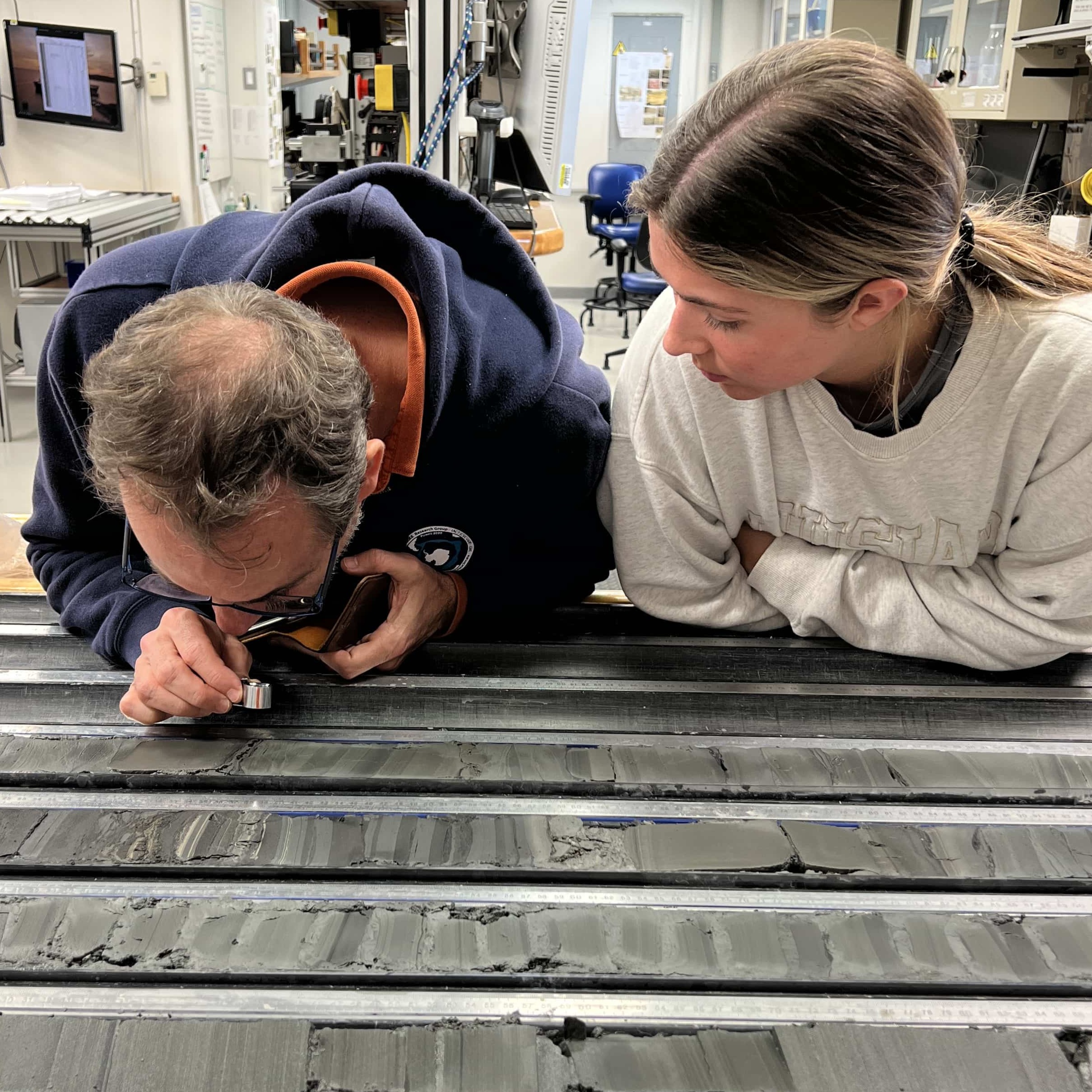
Geology
A broad study of Earth’s materials, processes, and history, preparing students for careers in natural resources, environmental work, and geoscience research.
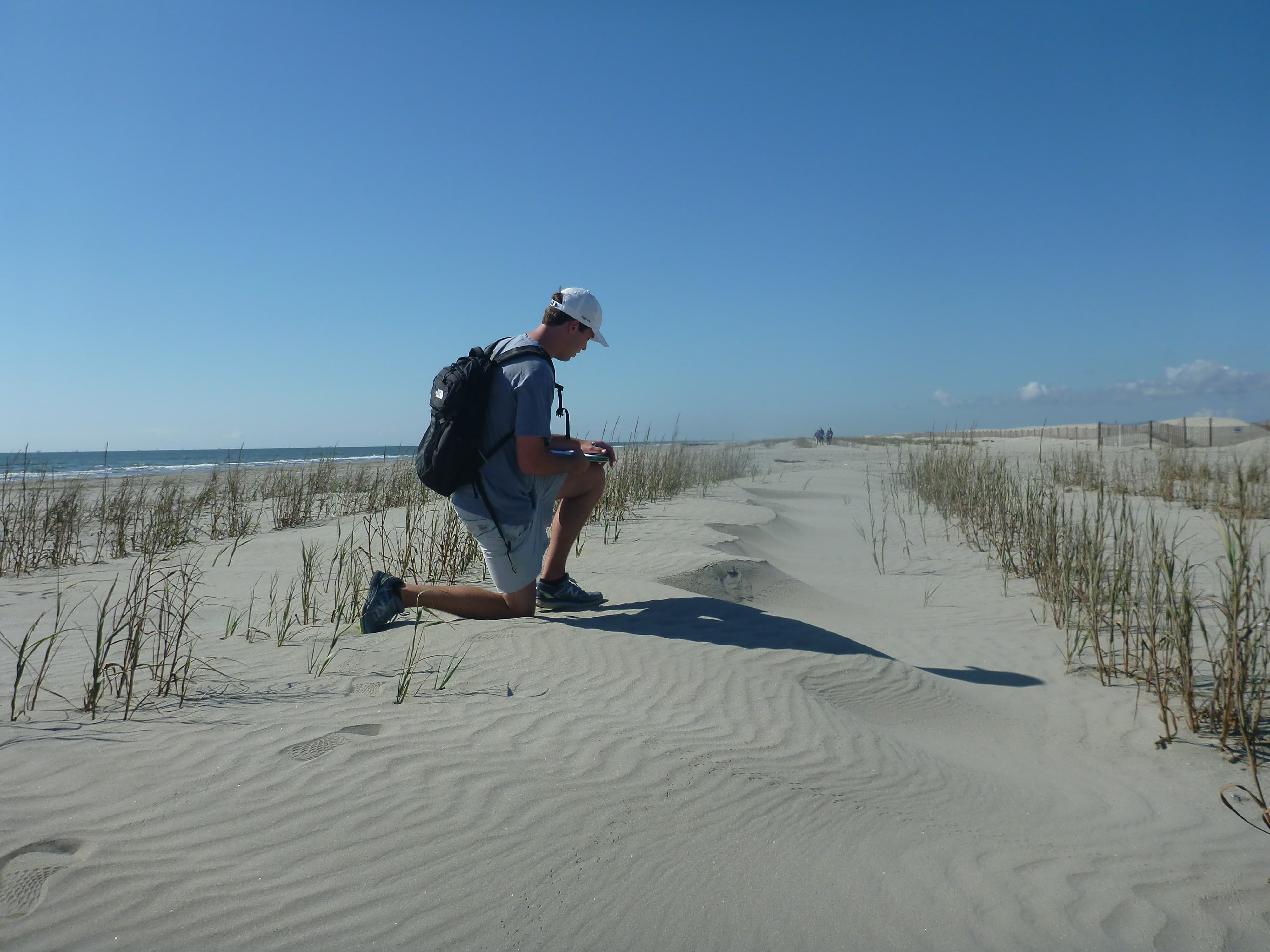
Environmental Geology
Focuses on how geological processes impact the environment, emphasizing water resources, environmental hazards, and sustainable land management.
Environmental Geology Concentration
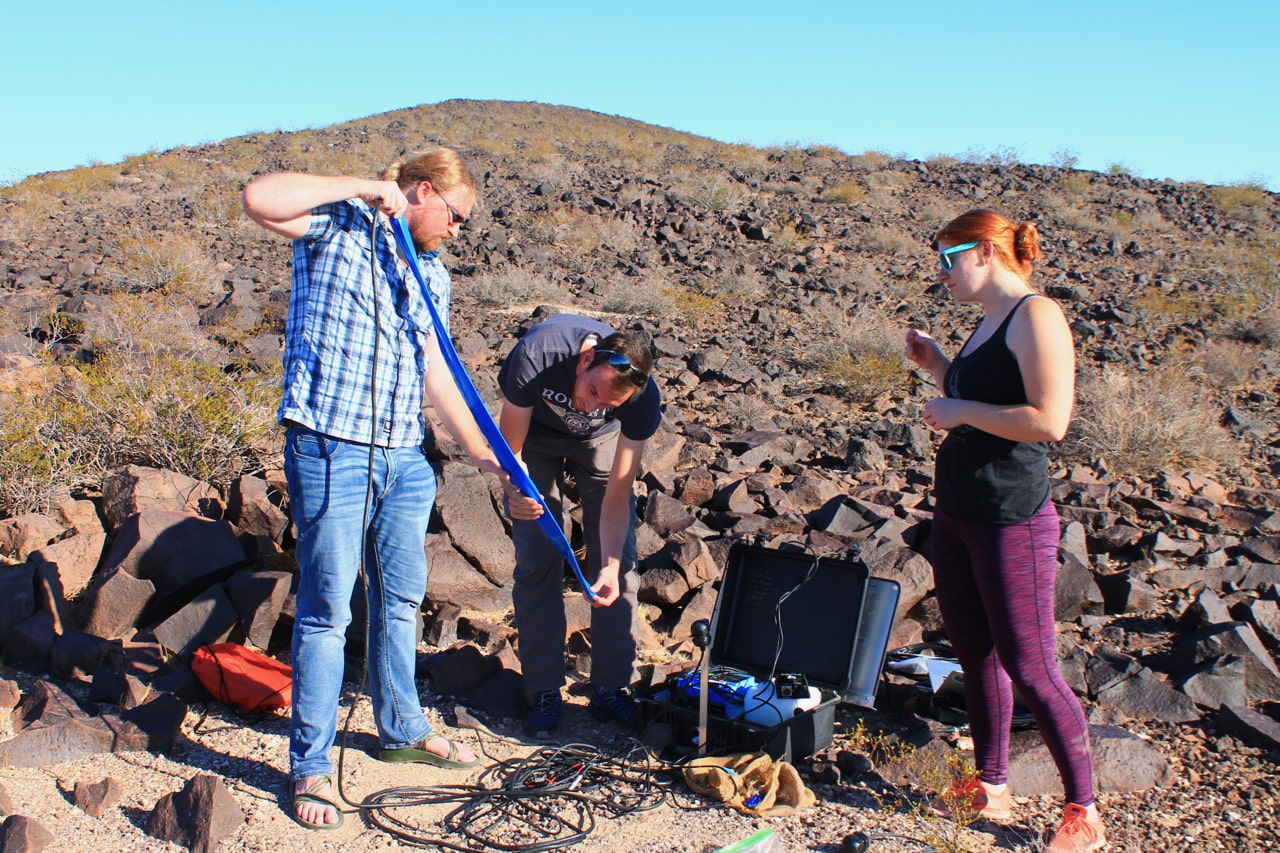
Geophysics
Applies physics and mathematics to study Earth’s interior using seismic, magnetic, and gravitational methods, preparing students for exploration and geotechnical careers.
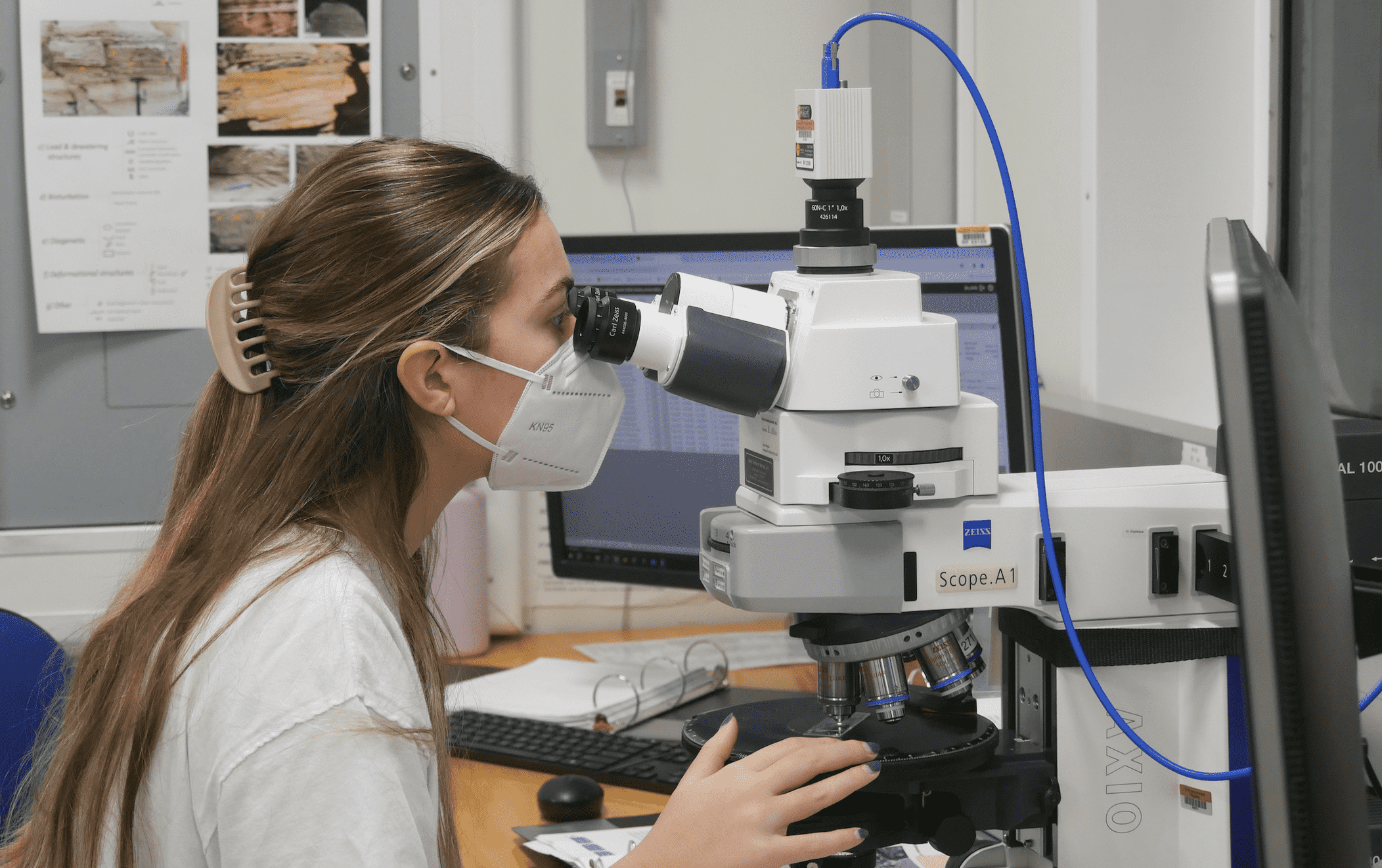
Geology With Secondary Discipline
Combines core geology training with a complementary field (such as biology, chemistry, geography, or engineering) to support interdisciplinary careers or specialized graduate study.
Geology Minor
An undergraduate minor in geology is available (20 hours). Required courses are: GEOL 1201 (or GEOL 1001 and GEOL 1601, or GEOL 1002 and 1601), GEOL 1202 (or GEOL 1003 and 1602, or GEOL 1004 and 1602), and 12 additional hours, of which at least six of the additional hours must be taken at the 3000 or 4000 level (excluding GEOL 3909 and GEOL 3999).
Field Service Fee
Graduate and undergraduate majors in geology must pay a $35 field service fee each
semester. Students not majoring in geology who schedule courses requiring field trip
fees will be assessed a pro rata part of the amount above, as determined by the department
chair. Part-time students enrolled in seminar courses only and students registered
for thesis or dissertation only are exempt from the fee. Additional information concerning
fees for field geology courses is available from the Geology Field Camp Director,
Department of Geology & Geophysics.
Questions or Need to Schedule an Appointment?
Email Dr. Amy Luther, Undergraduate Advisor
aluther@lsu.edu